A Chronological Timeline
What the Gospels report about the life of Jesus, set against scholarly dating — with every dispute and uncertainty labeled openly.
The world Jesus lived in
Second Temple Judaism (c. 516 BC–AD 70). The Pharisees were lay Torah scholars, popular with ordinary people, who accepted the written Torah and the oral tradition and believed in resurrection, angels, and coming judgment. The Sadducees were the aristocratic priestly party centered on the Temple; they accepted only the written Torah, denied the resurrection, and held most Sanhedrin seats. The Essenes were separatist, purity-focused communities withdrawn from what they saw as a corrupted Temple establishment (associated with the Dead Sea Scrolls at Qumran). The Zealots were militant nationalists who held rebellion against Rome legitimate. The Sanhedrin — seventy-one members plus the high priest — handled religious and civil law under Roman oversight but could not carry out capital punishment, which is why, on the Gospel accounts, Jesus’s case had to go to Pilate.
Roman Judea. Herod the Great (client king, 37–4 BC) rebuilt the Jerusalem Temple but is remembered as a brutal ruler; both Matthew and Luke place Jesus’s birth in his reign. After his death his kingdom was divided: Herod Antipas received Galilee and Perea as tetrarch (c. 4 BC–AD 39) — Jesus ministered in Galilee under Antipas’s jurisdiction, and Antipas had John the Baptist executed. Pontius Pilate was the Roman prefect of Judea from AD 26 to 36; non-Christian sources (Philo, Josephus) describe him as harsh, while Tacitus independently confirms the crucifixion: “Christus… had undergone the death penalty in the reign of Tiberius, by sentence of the procurator Pontius Pilate” (Annals 15.44). Crucifixion was a Roman penalty for rebels and political criminals — that Rome, not the Sanhedrin, executed Jesus indicates he was perceived as a political threat (“King of the Jews” was the titulus, per Mark 15:26).
Geography. Bethlehem (the birthplace in the Gospel accounts; Micah 5:2), Nazareth (the village in Lower Galilee where Jesus was raised — hence “Jesus of Nazareth”), Capernaum (the fishing town on the Sea of Galilee that served as the base of the Galilean ministry), Samaria (between Galilee and Judea, whose people Jews regarded with religious hostility), and Jerusalem (the Temple, the Sanhedrin, the final journey’s destination, and the site of the crucifixion, burial, and reported resurrection). Nearby Sepphoris, Antipas’s rebuilt Galilean capital, was a major construction project during Jesus’s youth — plausibly the source of work for a builder’s family.
The 18 events
1. Birth / Nativity — c. 6–4 BC
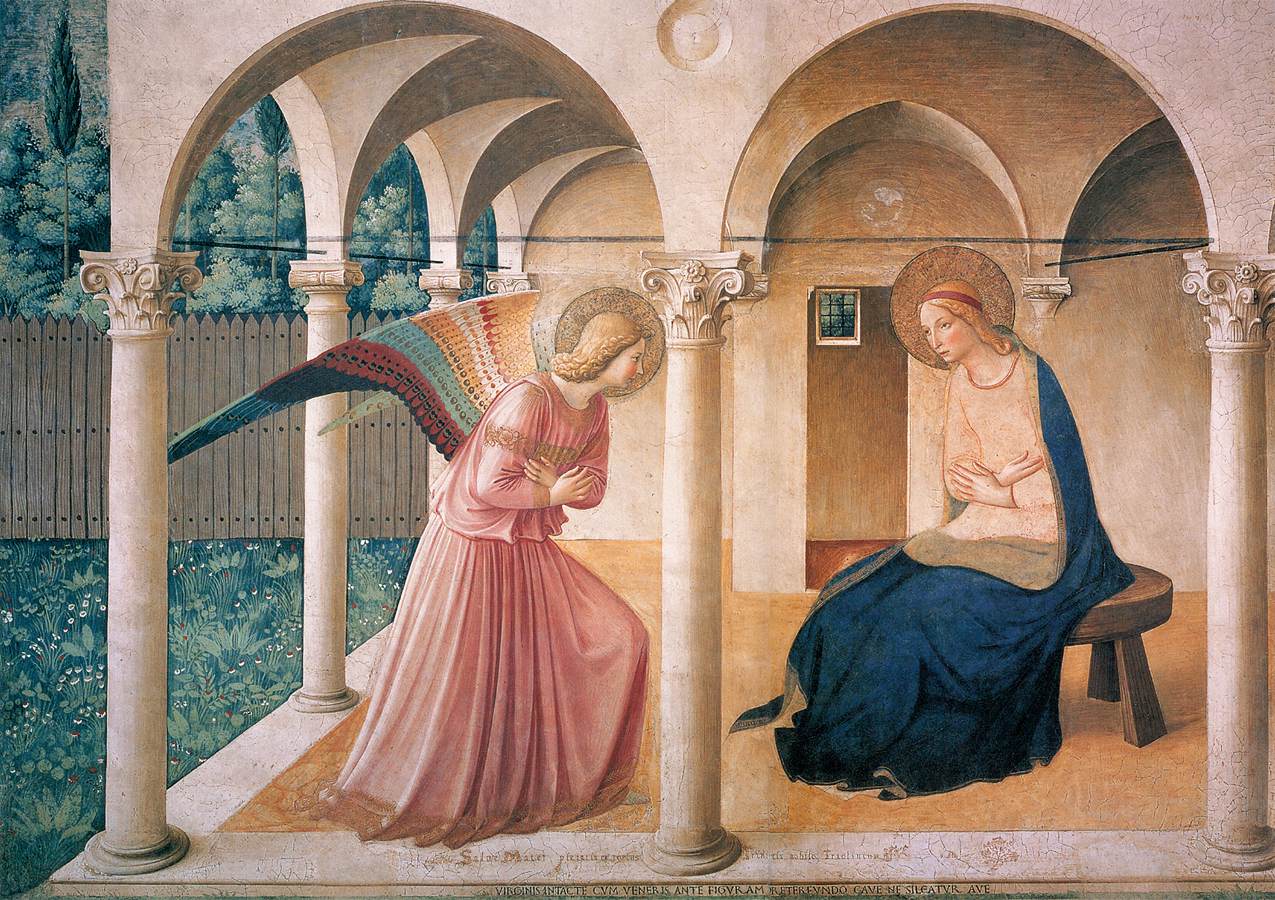
Gospel narrative: The Gospels report that Jesus was born in Bethlehem to Mary (virgin birth per Matthew and Luke) during the reign of Herod the Great. Matthew 1–2: the Magi visit a house in Bethlehem; Herod orders the killing of the infant males; the family’s flight to Egypt; return to Nazareth after Herod’s death. Luke 1–2: the Annunciation; the census of Quirinius bringing Joseph and Mary from Nazareth to Bethlehem; the manger and the shepherds; the boy Jesus in the temple at age 12. Mark and John contain no birth narrative. References: Matthew 1:18–2:23; Luke 1:5–2:52. Scholarly dating: c. 6–4 BC. The firm anchor is Herod the Great’s death (traditionally 4 BC, fixed astronomically to a lunar eclipse before Passover in 4 BC, per the standard reading of Josephus) — Jesus was born before it. The genuine tension: Luke 2:1–2 dates the birth to a census under Quirinius, governor of Syria, but Josephus records Quirinius’s census in AD 6/7, a decade after Herod’s death; the governor of Syria during Herod’s lifetime was C. Sentius Saturninus (9–6 BC) or Quinctilius Varus (6–4 BC). Scholars divide on how to read Luke here. December 25 is traditional (attested in Rome by AD 336; January 6 in the East) but is a liturgical commemoration, not a historical claim — no Gospel gives a month. Certainty: Medium — disputed (the Quirinius census problem); the c. 6–4 BC range is the scholarly consensus.
2. Childhood in Nazareth; temple visit at twelve — undatable
Gospel narrative: Matthew reports the family settled in Nazareth after Egypt (Matthew 2:22–23); Luke reports the family’s return to Nazareth and the only childhood episode in any Gospel — the twelve-year-old Jesus in the Jerusalem temple at Passover (Luke 2:41–52). Scholarly dating: Undatable — no external anchors. Luke 3:23 says Jesus was “about thirty years of age” when he began his ministry; with ministry beginning c. AD 28–29, this implies a birth c. 4–1 BC, consistent with the 6–4 BC range — used only as a consistency check, since “about” is approximate. Certainty: Low — undatable (no independent anchors).
3. Baptism by John the Baptist — c. AD 28–29
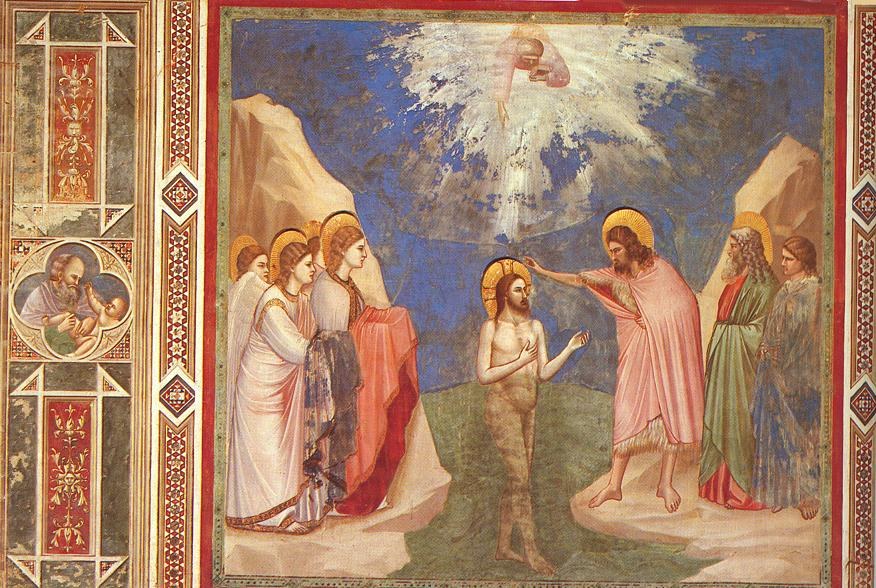
Gospel narrative: The Gospels report that Jesus came to John the Baptist at the Jordan and was baptized; the heavens opened, the Spirit descended like a dove, and a voice declared Jesus the Son of God. References: Matthew 3:13–17; Mark 1:9–11; Luke 3:21–22; John 1:29–34. Scholarly dating: c. AD 28–29 — the highest-confidence anchor in the whole chronology. Luke 3:1 dates John’s activity to “the fifteenth year of the reign of Tiberius” (also naming Pilate, Antipas, Annas, and Caiaphas); a detailed study of first-century inscriptions, coins, and literary sources concludes contemporaries would have understood the fifteenth year as AD 29 (20 August AD 28 – 19 August AD 29 by factual reckoning). Some scholars allow AD 28; a minority argues AD 27 on a co-regency reckoning the evidence does not support. Certainty: High — the firmest anchor; minor dispute between AD 28 and AD 29.
4. Temptation in the wilderness — undatable
Gospel narrative: After his baptism, Jesus was led by the Spirit into the wilderness and fasted forty days, resisting three temptations by the devil. References: Matthew 4:1–11; Mark 1:12–13; Luke 4:1–13. (John has no temptation narrative.) Scholarly dating: Undatable in principle — no external anchors; part of the pre-ministry block. Certainty: Low — undatable.
5. Calling of the disciples — undatable
Gospel narrative: The Gospels report that Jesus called fishermen — Simon (Peter) and Andrew, James and John — and others to “follow me,” forming the circle of the Twelve. References: Matthew 4:18–22, 10:1–4; Mark 1:16–20, 3:13–19; Luke 5:1–11, 6:12–16; John 1:35–51 (John places callings before the Galilean ministry begins). Scholarly dating: Undatable. Scholars generally accept it as historically probable that Jesus gathered a close circle including Simon Peter, and that Simon the Zealot was among them (Matthew 10:4). Caution: the full roster of the Twelve is a Gospel literary construct — the “Twelve” as an institution is widely regarded as historical, but the roster is not independently verifiable. Certainty: Low — undatable; the roster is not independently verifiable.
6. Galilean ministry — c. AD 28/29 to AD 30 or AD 33
Gospel narrative: An itinerant ministry across Galilee — preaching the kingdom of God, healings, exorcisms, parables — with Capernaum on the Sea of Galilee as the base of operations (“his own city,” Matthew 9:1). References: Matthew 4:23–25, 8–9 (miracles), 13 (parables); Mark 1–6; Luke 4–9; John 2, 4–6. Scholarly dating: Start anchored ~AD 28–29 (the baptism); end disputed — c. AD 30 in the one-year model (the Synoptics mention only the final Passover) or c. AD 33 in the three-year model (John mentions three Passovers: John 2:13, 6:4, 11:55). See the ministry-length dispute below. Certainty: Medium — start anchored; duration disputed (AD 30 vs 33).
7. Sermon on the Mount (and Sermon on the Plain) — undatable as a single event
Gospel narrative: A major discourse — the Beatitudes, the Lord’s Prayer, and ethical teaching — delivered from a hillside (Matthew 5–7) or a level place (Luke 6:20–49). Matthew and Luke drew on common material (the Q source, per the two-source hypothesis); some scholars treat the two “sermons” as two settings of the same teaching collection rather than a single historical event. Scholarly dating: Undatable as a single event; likely a compilation of teaching rather than one datable occasion. The Lord’s Prayer itself is widely regarded as going back to Jesus. Certainty: Low — likely a compilation of teaching rather than a single datable event.
8. Transfiguration — undatable
Gospel narrative: Jesus took Peter, James, and John up a mountain, was transfigured in glory before them, and spoke with Moses and Elijah. References: Matthew 17:1–13; Mark 9:2–13; Luke 9:28–36. Roughly mid-ministry in all three Synoptics, just before the journey toward Jerusalem begins. Scholarly dating: Undatable — about a week after the confession at Caesarea Philippi in the Gospel narrative, but with no external anchor. Certainty: Low — undatable.
9. Journey to Jerusalem — c. AD 30 or c. AD 33
Gospel narrative: A deliberate final journey from Galilee toward Jerusalem — Luke gives it a long travel narrative (Luke 9:51–19:27); Matthew and Mark compress it; John shows multiple trips to Jerusalem across the ministry. References: Matthew 19–20; Mark 10; Luke 9:51–19:44; John 7, 10. Scholarly dating: c. AD 33 (or 32) in the three-year model; c. AD 30 in the one-year model. Undatable independently. Certainty: Medium — disputed; depends on the AD 30 vs 33 choice and the ministry length.
10. Triumphal Entry — spring, c. AD 30 or 33
Gospel narrative: Jesus entered Jerusalem on a donkey amid crowds waving palms and crying “Hosanna.” Note the temple-cleansing placement difference: in the Synoptics it follows the entry; in John it stands at the beginning of the ministry (John 2:13–22). References: Matthew 21:1–11; Mark 11:1–11; Luke 19:28–40; John 12:12–19. Scholarly dating: Days before the crucifixion — so spring c. AD 30 or 33 depending on the model. Certainty: Medium — disputed (AD 30 vs 33).
11. Last Supper — spring, c. AD 30 or 33
Gospel narrative: On the night before his death, Jesus ate a final meal with the Twelve, broke bread and shared wine as his body and blood (the institution of the Eucharist/Holy Communion), and predicted his betrayal by Judas. John’s account is a farewell discourse with the foot-washing and contains no bread-and-wine institution (John 13–17). References: Matthew 26:17–30; Mark 14:12–26; Luke 22:7–39; John 13–17. Scholarly dating: The night before the crucifixion — spring c. AD 30 or 33. The Passover timing dispute is the central chronology problem here: the Synoptics present the meal as the Passover meal (15 Nisan), while John places it before the Passover, with the crucifixion on the day of Preparation (14 Nisan). See the dispute section below. Certainty: Medium — disputed (AD 30 vs 33; the Passover-meal question is unresolved).
12. Arrest (Gethsemane) — spring, c. AD 30 or 33
Gospel narrative: After the meal, Jesus withdrew to the Mount of Olives/Gethsemane, was betrayed by Judas with a kiss, and was arrested by an armed party led by the chief priests’ men. References: Matthew 26:36–56; Mark 14:32–52; Luke 22:39–53; John 18:1–11. Scholarly dating: The same night as the Last Supper — spring c. AD 30 or 33. Certainty: Medium — disputed (AD 30 vs 33).
13. Trial(s) — spring, c. AD 30 or 33
Gospel narrative: A night hearing before the high priest Caiaphas (and Annas in John), a morning session of the Sanhedrin, then a Roman proceeding before Pontius Pilate, with an intermediate hearing before Herod Antipas in Luke. Christians believe Jesus was condemned for blasphemy by the Jewish leadership and sentenced to crucifixion by Pilate on a charge of sedition (“King of the Jews”). References: Matthew 26:57–27:26; Mark 14:53–15:15; Luke 22:54–23:25; John 18:12–19:16. Scholarly dating: Scholars note the Gospel trial scenes are shaped by the evangelists’ theological and apologetic concerns; the historically probable core is that Jesus was executed by Rome under Pilate as a perceived political threat at Passover. The Roman trial is anchored to Pilate’s prefecture, AD 26–36, which constrains but does not fix the year. Certainty: Medium — legal details heavily disputed; Pilate’s prefecture (AD 26–36) constrains the window.
14. Crucifixion — Friday, Passover season, c. AD 30 or AD 33
Gospel narrative: Jesus was crucified at Golgotha outside Jerusalem, between two criminals, at around the third hour (9 a.m.), and died that afternoon; darkness covered the land, and the temple veil was torn. References: Matthew 27:32–56; Mark 15:21–41; Luke 23:26–49; John 19:17–37. Scholarly dating: Two leading candidates. Case for AD 30: baptism in AD 29 plus a roughly one-year ministry (Synoptic model) → AD 30; Friday, April 7, AD 30 is astronomically consistent with 14/15 Nisan on a Friday. Case for AD 33: three Passovers in John → a third Passover in AD 33; Friday, April 3, AD 33 has 14 Nisan falling on a Friday — argued by a Dead Sea sediment study (earthquake between AD 26–36) and the Humphreys & Waddington astronomical analysis; April 3, AD 33 also saw a partially eclipsed moon (“blood moon,” Acts 2:20) as it rose that evening. All four Gospels agree on the firm core: a Friday (“the day of Preparation”) before a Sabbath, at Passover, under Pilate. Certainty: Medium — genuinely disputed: neither AD 30 nor AD 33 can be proved.
15. Burial — same Friday, c. AD 30 or 33
Gospel narrative: Joseph of Arimathea, described as a respected member of the council, obtained Jesus’s body from Pilate and laid it in a rock-cut tomb, sealed with a stone. References: Matthew 27:57–61; Mark 15:42–47; Luke 23:50–56; John 19:38–42. Scholarly dating: The same Friday as the crucifixion — c. AD 30 or 33. That a follower buried Jesus in a tomb is broadly accepted as historical. Certainty: Medium — disputed (AD 30 vs 33).
16. Resurrection appearances — c. AD 30 or 33
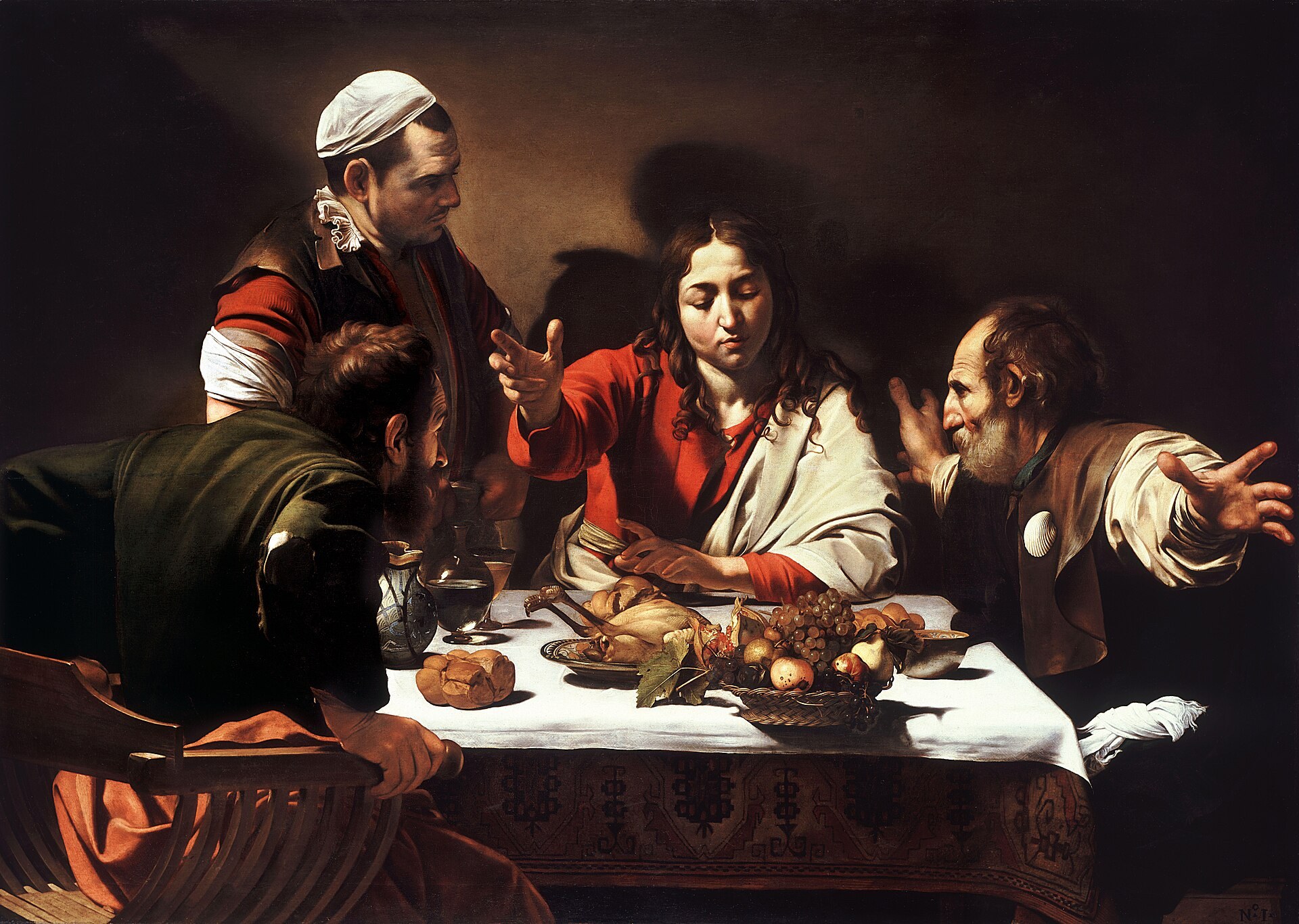
Gospel narrative: Christians believe that on the first day of the week (Sunday) women found the tomb empty, and that the risen Jesus appeared to his disciples: Mary Magdalene, the two on the road to Emmaus, the Eleven in Jerusalem, Thomas, and in Galilee — and to over five hundred at once (1 Corinthians 15:3–8, the earliest written account, dating to the 50s AD). References: Matthew 28; Mark 16 (note: Mark’s earliest manuscripts end at 16:8 with the empty tomb; verses 9–20 are a later addition — a genuine, widely acknowledged textual problem); Luke 24; John 20–21; 1 Corinthians 15:3–8. Scholarly dating: Two days after the crucifixion — spring c. AD 30 or 33. The empty tomb and appearances are matters of faith and disputed historical reconstruction; scholars of all persuasions agree that something generated the resurrection faith of the early Christians within days/weeks of the crucifixion, but there is no scholarly consensus on the mechanism. Certainty: Low — a theological claim, not a datable historical fact beyond its timing relative to the crucifixion.
17. Ascension — undatable (theological narrative)
Gospel narrative: Christians believe that forty days after the resurrection, Jesus ascended to heaven from the Mount of Olives in the presence of the disciples. References: Luke 24:50–53; Acts 1:6–11. Scholarly dating: Undatable — a theological narrative with no external anchor. Certainty: Low — theological claim; not independently datable.
18. Early church (Pentecost) — spring/summer, c. AD 30 or 33
Gospel narrative: Christians believe that at Pentecost (the Jewish festival of Weeks, seven weeks after Passover), the Holy Spirit descended on the disciples, Peter preached, and about three thousand were baptized — the birth of the church. References: Acts 2. Scholarly dating: Weeks after the crucifixion — spring/summer c. AD 30 or 33, same dependency as above. The early Jesus movement in Jerusalem after his death is well-attested (Paul’s letters, written in the AD 50s, reference the Jerusalem community led by James, “the brother of the Lord,” Galatians 1:19). Certainty: Medium — disputed date (AD 30 vs 33); the existence of the early Jerusalem community is broadly accepted.
The chronology disputes, explained honestly
1. Length of the ministry: one year vs ~three years. The Synoptics mention only one Passover — the one at which Jesus died — yielding roughly one year (c. AD 29–30 in the classic reconstruction). John mentions three Passovers (John 2:13; 6:4; 11:55), implying roughly two to three years (c. AD 29/30–33). There is no way to prove one against the other from external sources. The baptism anchor (AD 28–29) is firm; the endpoint is the crucifixion date — and the two disputes are coupled: a one-year ministry + AD 29 baptism → AD 30 crucifixion; a three-year ministry → AD 33.
2. The nativity year. Matthew and Luke both place the birth under Herod the Great (died 4 BC → birth by c. 6–4 BC), while Luke’s Quirinius census points to AD 6/7 — a decade too late. Scholars generally side with the Herod anchor (two independent infancy traditions agree on it) and treat Luke’s census reference as problematic; hence the standard range c. 6–4 BC. The Dionysian calendar’s “1 BC/AD 1” boundary is a 6th-century monk’s miscalculation, not a historical claim about Jesus.
3. The day of the crucifixion: Synoptics vs John on Passover timing. The Synoptics (Matthew 26:17; Mark 14:12; Luke 22:7–15) present the Last Supper as the Passover meal itself, eaten on the evening beginning 15 Nisan, with the crucifixion following later that Jewish day (15 Nisan). John (13:1; 18:28; 19:14) places the Last Supper before the Passover, and the trial and crucifixion on the day of Preparation (14 Nisan) — at the very hour the Passover lambs were being slaughtered, fitting John’s theology of Jesus as the Lamb of God (John 1:29; 19:36). Scholarly positions: (a) accept the Synoptic chronology; (b) accept the Johannine (some scholars note John is often historically precise on Jerusalem/Temple detail); (c) harmonize via different calendars (e.g., a Qumran sectarian calendar, or Galilean vs Judean reckoning). No harmonization commands scholarly consensus. All agree: Friday, Passover season, under Pilate.
At a glance
- Born: Bethlehem (Matthew 2:1; Luke 2:4–7) — no Gospel places the birth in Nazareth. Raised: Nazareth in Galilee (Matthew 2:23; Luke 2:39, 4:16) — hence “Jesus of Nazareth.”
- Occupation: tekton (Mark 6:3; Matthew 13:55 calls Joseph “the carpenter’s son”). The Greek tekton means craftsman/builder — working wood, stone, or metal — not strictly “carpenter” in the modern sense; stone-masonry is as or more likely given Galilean building materials.
- Languages: native Aramaic (the Gospels preserve Aramaic words: talitha koum, ephphatha, “Eloi, Eloi”); Hebrew for Scripture and the synagogue; possibly Greek — Galilee was Hellenized and Sepphoris a Greek-speaking city nearby — though the degree of Greek is debated.
- Ministry duration: disputed — ~1 year (Synoptics) vs ~3 years (John).
- Ministry geography: Galilee (Nazareth, Capernaum base, Sea of Galilee towns), Samaria, Judea; final week in Jerusalem.
- Family (attested): mother Mary; brothers James, Joseph (Joses), Judas, Simon named in Mark 6:3. James later led the Jerusalem church; Paul calls him “the brother of the Lord” (Galatians 1:19).
- Death: crucifixion in Jerusalem under Pontius Pilate, Passover season, Friday, c. AD 30 or 33.
- What followed (Christian belief): resurrection on the third day; appearances; ascension; the church’s birth at Pentecost.
Source notes
- Tyndale Bulletin 73 (2022), “Reckoning Tiberius’s Reign and Jesus’s Baptism” — fifteenth year of Tiberius = AD 29: https://www.academia.edu/89625169/Reckoning_Tiberius_s_Reign_and_Jesus_s_Baptism_First_and_Second_Century_Evidence_Concerning_Tiberius_s_Fifteenth_Year_Luke_3_1_
- Tyndale Bulletin 43 (1992), Humphreys & Waddington, “The Jewish Calendar, a Lunar Eclipse and the Date of Christ’s Crucifixion” — astronomical argument for AD 33: https://www.tyndalebulletin.org/article/30487-the-jewish-calendar-a-lunar-eclipse-and-the-date-of-christ-s-crucifixion.pdf
- Kregel Academic, “When Was Jesus Born?” — Herod 4 BC death, Quirinius problem, c. 6–5 BC birth: https://kregelacademicblog.com/biblical-studies/when-was-jesus-born/
- Walking With Giants, “Luke 2:1-4 – Quirinius and ‘the first registration’” — the census problem and interpretive options: https://www.walkingwithgiants.net/bible/troublesome-texts/luke-21f-quirinius-and-the-first-registration/
- Pontius Pilate (surveyed for the AD 30 or 33 consensus formulation, Tacitus Annals 15.44, Pilate’s prefecture AD 26–36): https://en.wikipedia.org/wiki/Pontius_Pilate
- Christianity Today, “My Boss Is a Jewish Construction Worker” — tekton as builder/craftsman: https://www.christianitytoday.com/2021/11/jewish-construction-worker-jesus-vocation-profession-stone/
- Christian Post (James Tabor cited), “Was Jesus a Carpenter?” — tekton as builder/stonemason, Sepphoris context: https://www.christianpost.com/news/was-jesus-a-carpenter.html
- Chabad.org, “The Factions of the Second Temple Era” — Pharisees, Sadducees, Zealots overview: https://www.chabad.org/library/article_cdo/aid/953558/jewish/The-Four-Factions.htm
- Apologetics Press, “Does the Bible Contradict Itself Regarding the Day of the Crucifixion?” — Synoptics vs John on Passover timing: https://apologeticspress.org/does-the-bible-contradict-itself-regarding-the-day-of-the-crucifixion-5059/
- CARM, “Do the gospels present a contradictory account of Jesus’ crucifixion as it relates to the Passover” — John’s 14 Nisan theology: https://carm.org/gospels-passover-crucifixion-contradiction
- ISCAST journal (2026), “Evidence for 2–3 BC as the Date of the Nativity” — minority early-Church-Fathers dating of the Nativity: https://journal.iscast.org/wp-content/uploads/2026/07/CPOSAT-Vol5-01-Dickin-FINAL.pdf
Limitations
- The “about thirty years old” anchor (Luke 3:23) is used only as a consistency check, not a proof — “about” is approximate, and Luke may be using a schematic number.
- The temple-cleansing placement (John 2 vs the Synoptics): one historical event displaced by John, or two cleansings? No scholarly consensus found; needs a dedicated source check.
- The December 25 origins (Roman/pagan-festival connection, e.g., Sol Invictus) are commonly claimed but contested among scholars; not resolved.
- Mark says the crucifixion was at the third hour (9 a.m.); John says about the sixth hour (noon) at sentencing — a smaller textual tension not fully explored.
- Gospel portraits of Pilate vary (reluctant in Matthew/Luke/John, pragmatic in Mark) and are widely held to be shaped by apologetic concerns; the historical Pilate of Josephus and Philo is harsher.
- Qumran/Essene links to John the Baptist are frequently hypothesized but not established — no consensus.
- No non-Christian source dates any event of Jesus’s life (birth, baptism, ministry) except the execution under Pilate (Tacitus, Josephus) — all internal Gospel dating relies on Luke 3:1 and the Herod anchor.
- No archaeological evidence tied to any specific Gospel episode was reviewed.
- Gospel narrative order itself is a literary arrangement; “narrative order” does not equal confirmed chronological order.